

Ages 7 – 9
Skills They Earn. Belts They Keep.
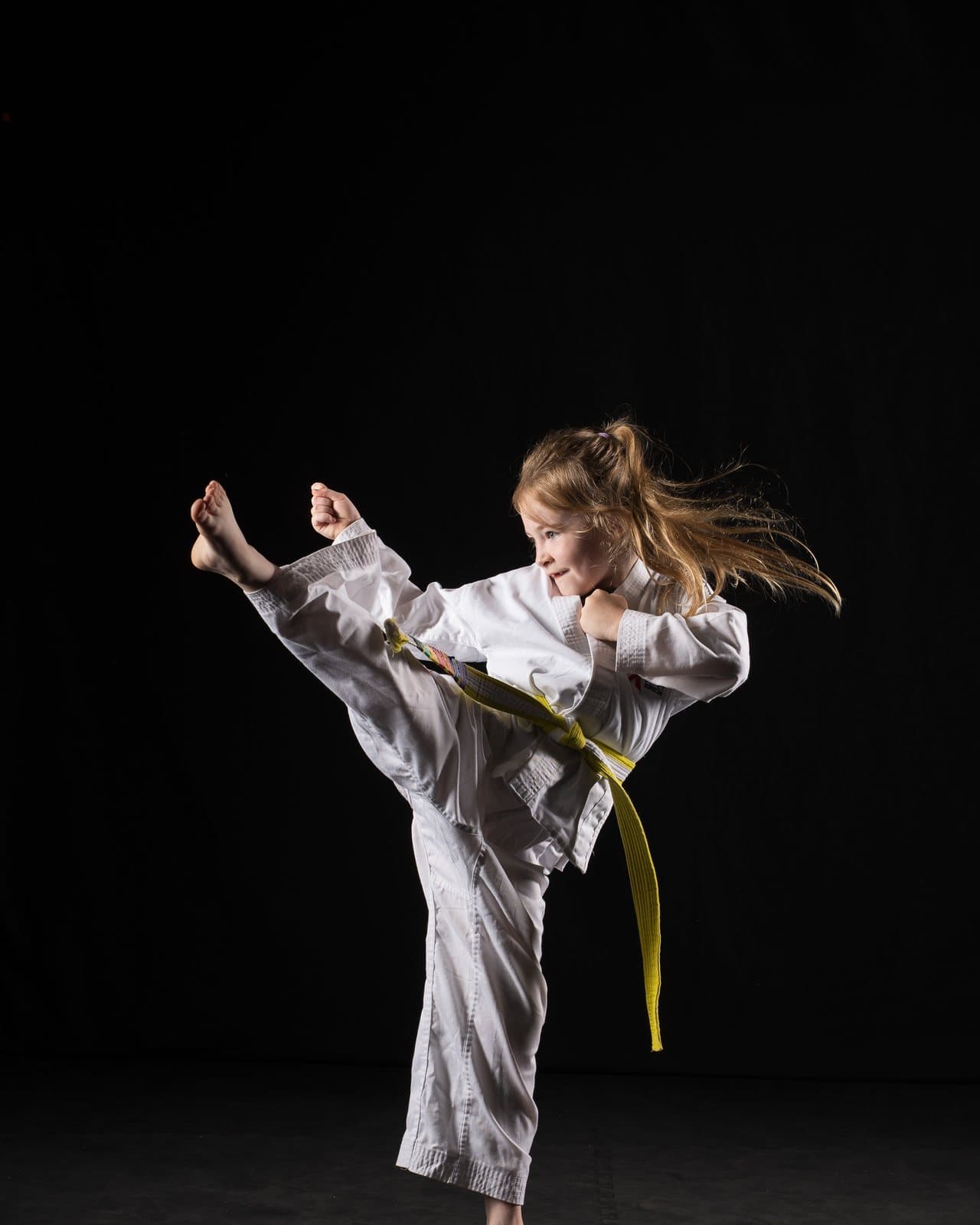
Real Taekwon-Do for 7–9 year-olds: kicks, blocks, patterns, and a coloured-belt syllabus with gradings every 3–4 months. The age when the work starts to bite.
Book Your Kidz Trial.
No kit, no commitment, no hard sell. Bring your child, let them try a class free, and we’ll send the next available Kidz times.
Before You Book.
Seven to nine is the age where children either fall in love with movement or quietly decide they’re not the sporty type. Once that decision sticks it’s very hard to undo.
TKD Kidz exists to keep that decision open. We teach a proper Taekwon-Do syllabus, kicks, blocks, patterns, and gradings every three to four months, with the seriousness it deserves and the warmth a seven-year-old needs.
By the time a child finishes Kidz and moves up to Juniors, they have skills they’ve earned, a coach who’s known them for years, and a coloured belt that says they did something difficult.
See you on the mat,
Ben England
Sound Like Your Seven-Year-Old?
If any of these sound familiar, you’re in the right place. Apex was built for exactly these moments.
Backbone, Not Bravado.
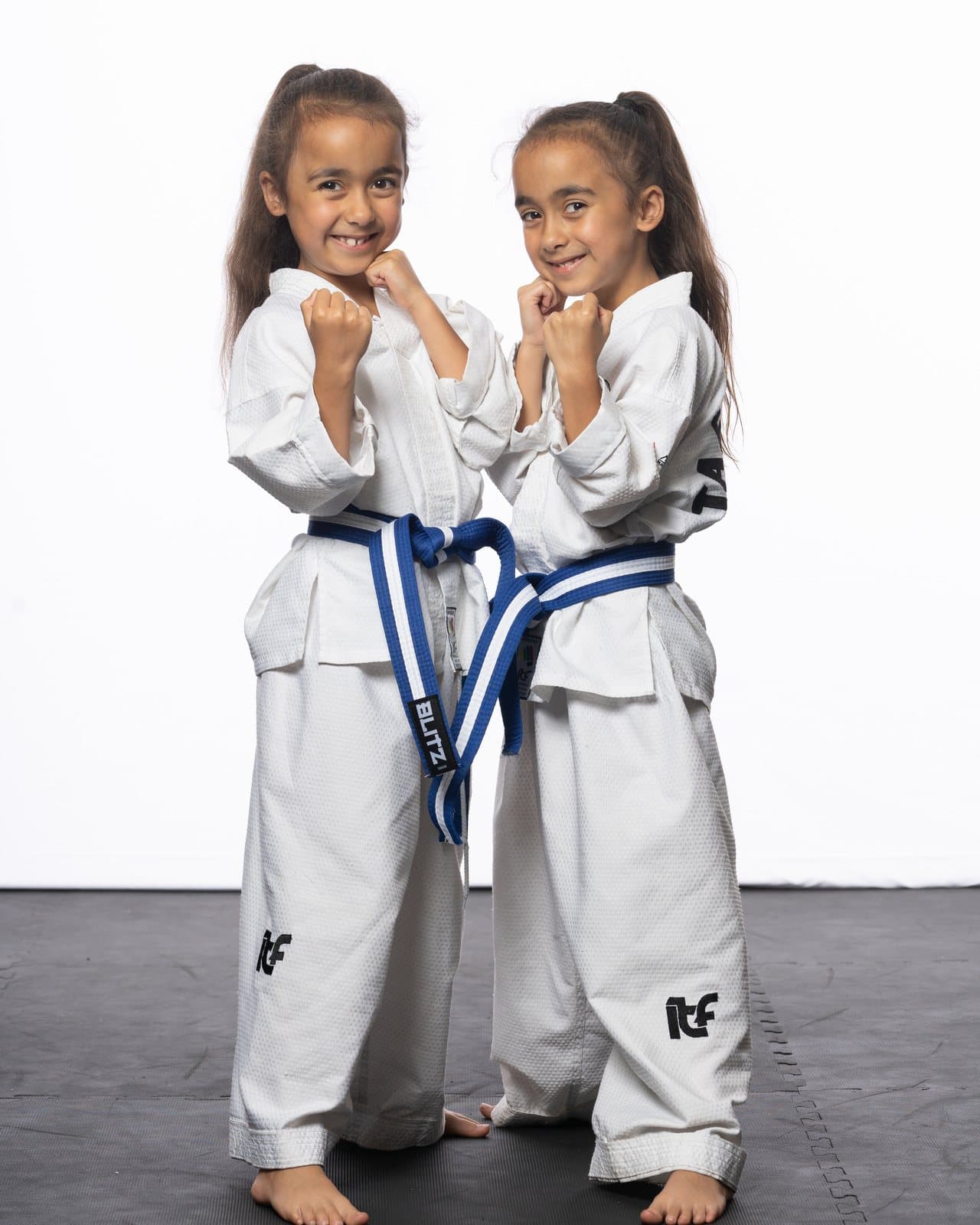
TKD Kidz teaches respect through structure. Bowing in, bowing out, naming the coach correctly, working with a partner properly. These aren’t old-fashioned formalities. They’re the daily reps of a child learning to take themselves seriously.
Once a child has tied their own belt for the first time, something shifts in how they walk through the door.
The Harder Kind Of Fitness.
Coordination, balance, explosive power, breath control. The capabilities that matter long after primary school PE is forgotten. TKD Kidz work harder physically in a single class than they will in most other after-school options combined.
Useful, Without Ever Being Needed.
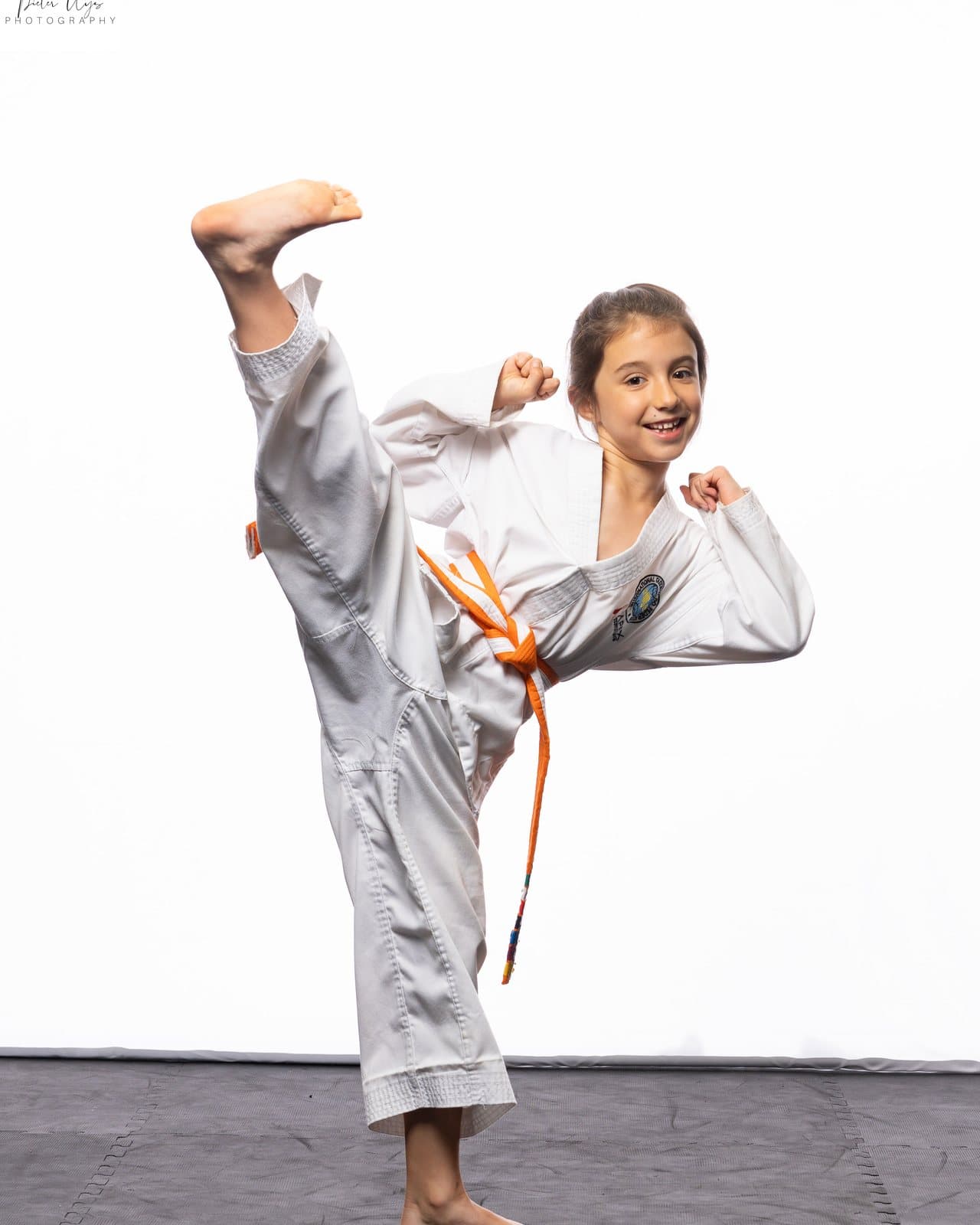
We don’t teach children how to fight. We teach them how to stand, how to project, how to leave a difficult situation, and what to do if they’re grabbed. Practical, supervised, age-appropriate.
The best self-defence is the kind no one ever needs to use. The point is the confidence to know they could.
Where The Classroom Payback Starts.
Pattern work, sequences of movement to memorise, is the closest a child gets to a memorisation marathon. By the time they’ve learned a yellow belt pattern, times tables don’t scare them in the same way.
Teachers notice this. Repeatedly.
Common Worries, Answered Straight.
The opposite. Children who train almost never use martial arts outside the academy. Discipline and respect are the loudest parts of the syllabus.
Apex is famously welcoming. Sparring is part of training, but it’s light contact, age-matched, fully kitted, and always supervised. Children build up at their own pace.
Martial arts isn’t team sport. There’s no captain, no bench. Each child works at their own belt level.
Yes, overwhelmingly. The structure, listening expectations, and following instructions in sequence transfer directly back to the classroom.
All Apex coaches are graded black belts, DBS-checked, and safeguarding-trained. See the Safeguarding page for the full policy.
With 30+ classes a week we can almost always find an alternative, including holiday weeks and school breaks.
What TKD Kidz Walk Away With.
Respect
Real respect, for adults, for peers, for themselves.
Discipline
Sit still. Listen. Follow through. Habits that compound.
Confidence
Visible. Posture, voice, eye contact. Family notices first.
Coordination
Balance, footwork, timing. The physical literacy under every sport.
Resilience
Failing, dusting off, going again. Built into every class.
A Real Syllabus
Belt by belt, year by year. Tangible progress.
Book Your Kidz Trial.
Three quick steps and we’ll send your free trial slot.